The LA Driver’s Checklist: How to Avoid Overpaying for Collision Repair in Los Angeles
To avoid overpaying for collision repair in Los Angeles, compare multiple written estimates, confirm in-house repairs, verify scan and calibration fees, understand OEM vs. aftermarket parts, and demand itemized transparency. Always choose a certified shop that explains labor rates, parts pricing, and insurance coverage before repairs begin.
Los Angeles drivers face some of the highest repair costs in California. Labor rates vary by neighborhood. Parts pricing fluctuates daily. Additionally, insurance negotiations can create confusion that leads to hidden charges.
However, most overpayments happen because drivers rush the process. A single estimate rarely tells the full story. Therefore, careful comparison, documentation, and asking the right questions can prevent inflated invoices.
Collision Repair Cost Comparison in Los Angeles
| Factor | Typical Range in Los Angeles | Why It Matters | Risk of Overpaying |
|---|---|---|---|
| Labor Rate (Body) | $75–$125 per hour | Varies by area and certification level | High if not disclosed clearly |
| Labor Rate (Paint) | $80–$150 per hour | Includes prep, blending, refinishing | Very high if blending is overestimated |
| OEM Parts | Higher cost | Factory-grade fit and safety | Worth it for structural areas |
| Aftermarket Parts | Lower cost | May vary in fit and durability | Risk if quality is poor |
| Pre/Post Repair Scans | $150–$400 | Required for modern vehicles | Essential, but must be justified |
| Sublet Repairs | Varies | Work sent to third parties | Can increase cost and delay |
Why Collision Repair Costs Are Higher in Los Angeles
Los Angeles has higher operating expenses than most cities. Rent, utilities, insurance, and skilled labor drive up shop overhead. Consequently, hourly rates reflect those realities.
Moreover, traffic density increases accident frequency. High demand allows some shops to inflate timelines and labor hours. In contrast, reputable facilities rely on long-term trust rather than short-term profit.
Drivers must understand that higher cost does not always equal better quality. Therefore, evaluating certifications and repair procedures matters more than focusing only on price.
Never Rely on a Single Estimate
First, always obtain at least two or three written estimates. Patterns quickly emerge when you compare them side by side.
If one estimate is dramatically lower, question what is missing. Meanwhile, if one is significantly higher, ask for a breakdown of labor hours and parts pricing.
Additionally, confirm whether the estimate includes blending adjacent panels. Blending ensures color match, but unnecessary blending increases cost.
Smart comparison reveals outliers. That insight alone can save hundreds or even thousands of dollars.
Ask If Repairs Are Done In-House
Some collision centers sublet mechanical work, alignments, or calibrations. Subletting adds markup and delays. Therefore, ask directly which services are performed on-site.
In-house repairs typically mean tighter quality control. Moreover, communication improves because technicians work under one management team.
If a shop sends vehicles elsewhere for scanning or ADAS calibration, verify whether extra transportation or coordination fees apply. Transparency here prevents surprise invoices later.
Understand OEM vs. Aftermarket vs. Used Parts
Parts choice dramatically affects price. OEM (Original Equipment Manufacturer) parts cost more but match factory standards.
Aftermarket parts cost less. However, fit and durability can vary. In structural areas, OEM parts are often safer. Meanwhile, cosmetic panels may allow cost-effective alternatives.
Used or recycled parts reduce cost further. Yet condition and availability matter. Therefore, request clarification in writing about what type of parts are being installed.
A shop must disclose this clearly. If they hesitate, consider that a red flag.
Confirm Pre- and Post-Repair Scanning and Calibration
Modern vehicles rely on advanced driver assistance systems (ADAS). These systems require scanning before and after repairs.
Shops may charge $150 to $400 for scanning. While this is legitimate, verify that it aligns with manufacturer guidelines.
Furthermore, ensure calibrations are actually required for your specific vehicle. Some invoices automatically include them. However, not every repair triggers recalibration.
Ask for documentation. Reputable facilities provide printouts showing completed scans.
Watch for Labor Hour Inflation
Labor hours are one of the most manipulated line items. An extra three to five hours can significantly increase total cost.
Therefore, compare labor hours across estimates. If one shop lists 25 hours and another lists 38, ask why.
Additionally, request clarification on overlap charges. Insurance guidelines often prevent double billing for overlapping procedures.
Clear documentation protects you from subtle overcharges.
Insurance Recommendations vs. Your Choice
Insurance companies may suggest “preferred” shops. However, California law allows you to choose your own repair facility.
Preferred shops may streamline paperwork. Yet convenience should not override quality or transparency.
Evaluate certifications instead. For example, OEM-certified facilities follow manufacturer repair standards. That reduces risk of improper structural repair.
Choose based on standards, not pressure.
Demand an Itemized, Written Estimate
A verbal quote is not enough. Written estimates must list:
- Labor hours
- Labor rate
- Parts type
- Paint materials
- Sublet services
- Scan fees
Moreover, request updates in writing if supplements are added. Supplements are common once hidden damage is found. However, they must be documented and approved.
Transparency is your strongest protection against overpaying.
Prioritize Transparency Over Speed
Fast estimates often miss hidden damage. Later, supplements increase cost and delay delivery.
Instead, allow time for proper teardown and blueprinting. A thorough inspection prevents surprises.
Additionally, a shop that explains each step builds trust. If questions are avoided, reconsider your choice.
Patience at the beginning saves money at the end.
Consider Certified Collision Centers in Los Angeles
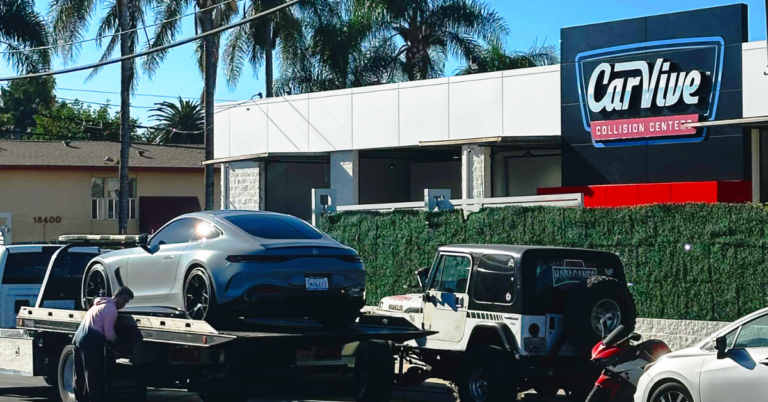
Drivers seeking structured processes often choose facilities like CarVive Collision Centers in Los Angeles. Certified centers typically follow OEM repair procedures and provide detailed documentation.
Certification does not automatically mean higher cost. In many cases, standardized processes prevent rework, which ultimately reduces expense.
Therefore, evaluate repair methodology, not just marketing claims.
FAQ: How to Avoid Overpaying for Collision Repair in Los Angeles
How many estimates should I get after a car accident?
You should obtain at least two or three written estimates. This allows you to compare labor hours, parts types, and scan charges. Patterns quickly reveal outliers. That comparison protects you from inflated pricing.
Can a body shop charge more than the insurance estimate?
Yes, they can. However, additional charges must be justified and documented. Supplements are common once hidden damage is found. Always request written approval before extra work begins.
Are OEM parts worth the extra cost?
Often, yes—especially for structural or safety components. OEM parts ensure factory fit and compliance. Meanwhile, aftermarket parts may be acceptable for minor cosmetic repairs.
Do I have to use my insurance company’s recommended shop?
No. California law allows you to choose your own repair facility. Therefore, select a shop based on certifications, transparency, and quality standards.
What are common hidden fees in collision repair?
Hidden costs may include scan fees, sublet markups, paint blending, hazardous waste charges, and inflated labor hours. Asking for a full itemized estimate helps prevent surprises.